


Restoring Hope Violence Prevention Program
Gun Violence Intervention and Prevention
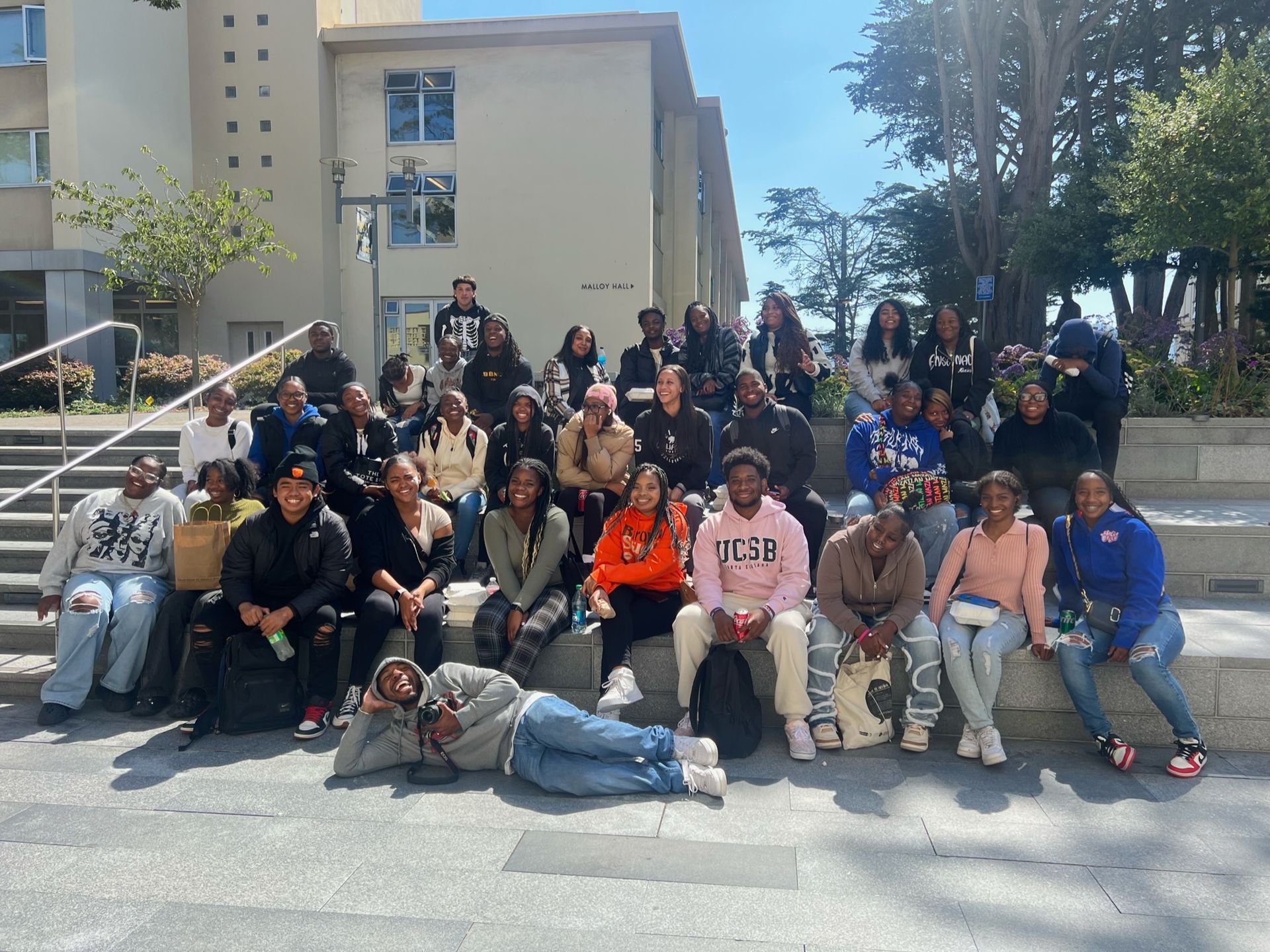
Bridge Builders to the New Generation provides a healing-centered intervention and prevention program for individuals ages 14–25 who may be disconnected from school, at risk of dropping out, impacted by violence, or navigating reentry after incarceration. Using a Healing-Centered Engagement framework, the program supports young people through mentorship, education reconnection, workforce development, and exposure to positive opportunities. Youth who are still in school receive guidance to improve engagement, attendance, and graduation outcomes, while young adults who have graduated, dropped out, or experienced incarceration receive support with employment readiness, career pathway exploration, and job placement. By addressing the root causes of disconnection and violence while focusing on participants’ strengths and potential, the program helps young people build resilience, reconnect to positive pathways, and pursue education, careers, and passions that lead to long-term stability and success.
Measurable Goals
- Support disconnected youth in returning to school or remaining engaged in their education
- Decrease behaviors associated with violence or high-risk environments.
- Help young adults develop employment skills and secure job opportunities.
- Strengthen positive support systems for youth and young adults
- Strengthen participants’ emotional health and coping skills through healing-centered engagement
- Help youth and young adults reconnect to positive community pathways.
Program Feature
Bridge Builders to the New Generation provides a healing-centered intervention and prevention program for individuals ages 14–25 who may be disconnected from school, at risk of dropping out, impacted by violence, or navigating reentry after incarceration. The program focuses on helping young people rebuild connection to education, employment, and positive life pathways while addressing the root causes of disconnection and violence.
Healing-Centered Mentorship
Participants are paired with mentors who provide consistent guidance, support, and encouragement. Through regular check-ins and mentorship sessions, young people are able to process challenges, build trust, and develop the confidence needed to make positive decisions about their future.
Education Reconnection Support
For youth who are currently in school or at risk of dropping out, the program provides support to help students remain engaged in their education. This includes assistance with attendance improvement, goal setting, academic guidance, and helping students reconnect with school staff and support systems to ensure they stay on track toward graduation.
Workforce Development and Career Pathways
For participants who have graduated, dropped out, or experienced incarceration, the program focuses on helping them build career pathways and gain employment. Participants receive job readiness training, resume development, interview preparation, and support in identifying employment opportunities that align with their interests, talents, and passions.
Violence Prevention and Intervention Support
The program works with individuals who may be at risk of causing harm or being harmed by violence. Through guided reflection, mentorship, and skill-building activities, participants develop healthier coping strategies, conflict resolution skills, and positive decision-making habits.
Exposure to Opportunities
Participants are provided with exposure to positive experiences that help expand their vision for their future. This may include career exploration, educational opportunities, community engagement activities, and connections to local resources that support long-term stability and personal growth.
Healing-Centered Engagement Framework
The program is grounded in a healing-centered approach that recognizes the strengths, identities, and lived experiences of young people. Rather than focusing only on challenges or trauma, the program empowers participants to build resilience, discover purpose, and pursue meaningful goals that contribute to their personal success and the well-being of their communities.
Restorative Justice
Restorative justice focuses on repairing harm, fostering accountability, and rebuilding relationships within communities. Instead of solely punishing wrongdoing, it brings together those affected by an offense to discuss the impact and find meaningful ways to heal. Through open dialogue, empathy, and mutual respect, restorative justice promotes understanding, encourages personal responsibility, and empowers individuals to create positive change. This approach not only helps to resolve conflicts but also strengthens community bonds and reduces the likelihood of future offenses by addressing the root causes and emotional consequences of harmful behavior.