


Personalized Tutoring, Advising, and Mentoring Services
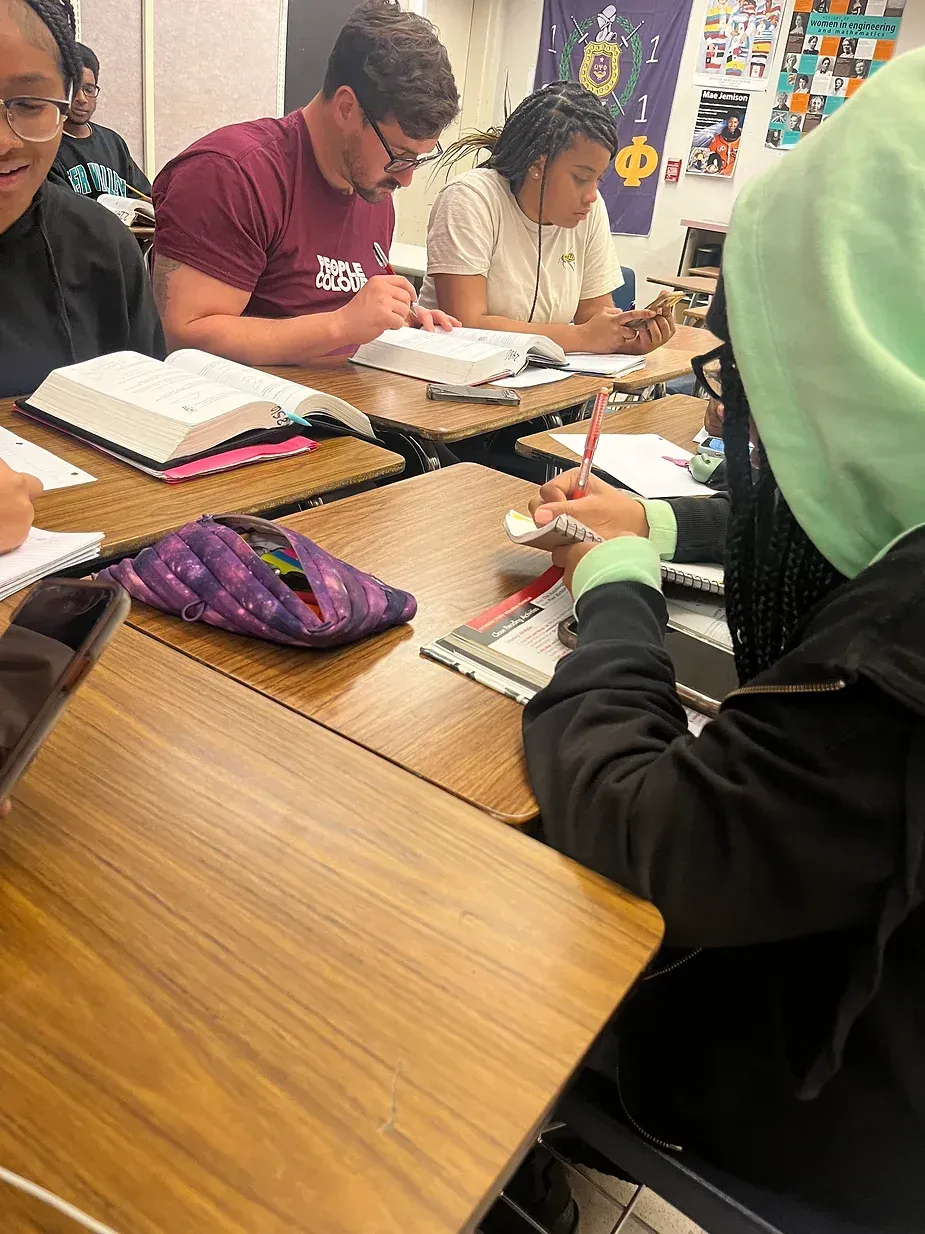
Social Emotional Learning
Bridge Builders to the New Generation provides comprehensive Social Emotional Learning (SEL) programming designed to support students’ emotional well-being, personal development, and academic success. Through mentorship, guided reflection, and skill-building activities, students develop essential life skills such as self-awareness, emotional regulation, healthy relationship building, and positive decision-making.
The foundation of Bridge Builders’ Social Emotional Learning program centers on helping students build confidence, resilience, and a strong sense of identity. By creating safe and supportive spaces where students feel seen, heard, and valued, the program encourages young people to express themselves, strengthen relationships, and develop the skills needed to navigate challenges both in school and in life.
Through healing-centered engagement, Bridge Builders utilizes the Radical Healing Framework and the CARMA Model developed by Shawn Ginwright to support students in recognizing their strengths, building collective care, and developing a sense of purpose and agency. Our goal is to ensure that every student gains the tools, exposure, and support needed to expand their opportunities, strengthen their character, and strive, thrive, and lead.
Measurable Goals
- Increase students’ social-emotional competencies including self-awareness, emotional regulation, and relationship-building.
- Improve student engagement and sense of belonging in school.
- Strengthen students’ emotional resilience and ability to navigate challenges.No failing grades
- Increase school attendance and reduce disengagement.
- Encourage students to express their voice, identity, and sense of purpose.
- Reduce behavioral incidents and improve positive decision-making
Program Features
Bridge Builders to the New Generation utilizes a tiered support model (Tier 1–Tier 3) to ensure students receive the level of support that best meets their individual academic, behavioral, and social-emotional needs.
Tier 1 – Universal Support
Tier 1 services are provided to all participating students and focus on building foundational social-emotional skills, self-awareness, and positive decision-making. Students participate in group-based activities, workshops, and skill-building sessions designed to promote confidence, emotional regulation, and healthy relationships.
Tier 2 – Targeted Support
Tier 2 services provide additional support for students who may need more focused guidance. These students participate in small group sessions and focus groups designed to strengthen coping skills, identity development, and peer connection. Programs include
6–8 week focus groups such as Boys to Men and Hot Girl Healing that create safe spaces for students to discuss personal growth, relationships, and life challenges.
Tier 3 – Intensive Support
Tier 3 services are designed for students who require individualized intervention and consistent monitoring. These students receive structured support through academic or behavioral progress packets designed to track and improve student performance and decision-making.
- Tier 3 Students: Participate in 4-week progress packets focused on specific academic or behavioral goals.
- Critical Tier 3 Students: May participate in extended 10-week progress packets depending on their individual needs and level of support required.
Progress packets may include academic progress tracking, behavioral goal setting, reflection exercises, and mentor check-ins to help students build accountability and develop strategies for success.
After-School Programming
Bridge Builders also provides after-school workshops and enrichment opportunities that support students’ social-emotional development and personal growth. Workshops are delivered through the “We Da PPL” curriculum and include structured sessions such as:
- Mindfulness Monday – Activities focused on emotional regulation, stress management, and self-awareness.
- Workshop Wednesday – Interactive workshops centered on personal development, identity, communication skills, and life preparation.
Program Goal
Through this tiered model, Bridge Builders ensures that every student—from those needing foundational support to those requiring intensive intervention—receives the guidance, mentorship, and exposure necessary to grow academically, emotionally, and personally.
Restorative Justice
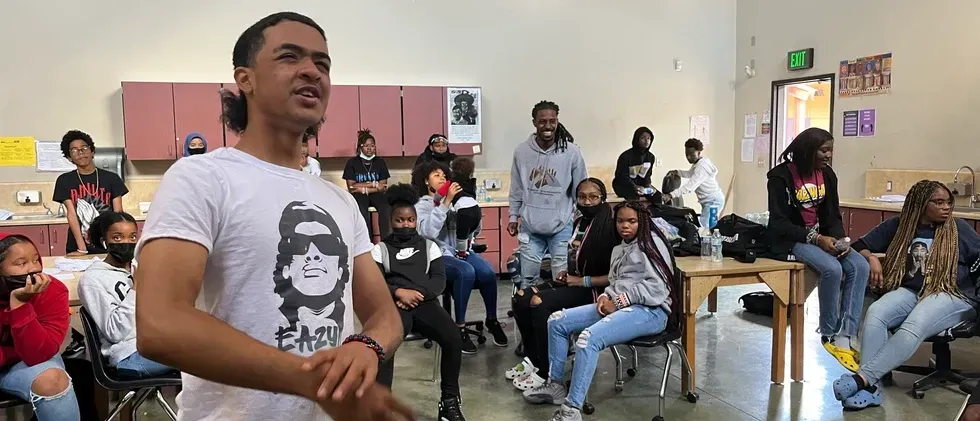
Bridge Builders to the New Generation’s Restorative Justice Program is designed to create a supportive and accountable school culture where students learn to build healthy relationships, take responsibility for their actions, and repair harm when conflicts occur. Instead of relying solely on punitive discipline, the program focuses on strengthening communication, empathy, and problem-solving skills so students can grow from challenges and make positive choices.
The program operates through a three-phase restorative model: Community Building, Intervention, and Re-Entry. Through proactive community-building activities, students develop trust, respect, and a sense of belonging within their school environment. When conflicts or behavioral incidents arise, restorative interventions provide structured opportunities for students to reflect on their actions, understand the impact of their behavior, and work toward repairing harm. The re-entry phase supports students in rebuilding trust and successfully reintegrating into the classroom and school community.
By promoting accountability, reflection, and relationship-building, Bridge Builders’ Restorative Justice Program helps reduce behavioral incidents, strengthen school connectedness, and create a safer, more inclusive learning environment where students feel respected, supported, and empowered to make positive decisions.
Measurable Goals
- Decrease disciplinary referrals and behavioral incidents among participating students
- Strengthen students’ ability to take responsibility for their actions and repair harm
- Help students develop healthier communication and conflict resolution skills
- Increase students’ sense of belonging and positive relationships with peers and school staff
- Support students in successfully reintegrating into the classroom after behavioral incidents
Program Features
Bridge Builders to the New Generation’s Restorative Justice Program is designed to promote accountability, repair harm, and strengthen relationships within the school community. The program focuses on helping students understand the impact of their actions, develop conflict resolution skills, and rebuild trust with peers and staff. Through restorative practices, students are provided with structured opportunities to reflect, communicate, and take responsibility while being supported in their personal growth.
The program operates through a three-phase restorative model: Community Building, Intervention, and Re-Entry.
Community Building (Proactive)
This phase focuses on building a positive and supportive school environment where students feel connected, respected, and valued. Through restorative circles and guided group discussions, students develop communication skills, empathy, and mutual respect. These proactive practices help establish trust among students and staff and reduce the likelihood of conflict or behavioral challenges.
Intervention (Reactive)
When conflicts or behavioral incidents occur, restorative interventions provide structured opportunities for students to reflect on their actions and understand how their behavior affects others. Students participate in restorative conversations that focus on accountability, problem-solving, and repairing harm. The goal is to address the root cause of the behavior while guiding students toward healthier choices and stronger relationships.
Re-Entry (Restoring Trust)
The re-entry phase supports students as they transition back into the classroom or school community after a conflict or disciplinary incident. During this process, students work with facilitators to reflect on their progress, rebuild trust with peers and staff, and develop strategies to prevent future incidents. This phase ensures that students feel supported while demonstrating their commitment to positive change.
College and Career Readiness
Bridge Builders to the New Generation’s College and Career Readiness Program prepares students for life after high school by helping them explore higher education opportunities and develop clear career pathways. Through exposure, mentorship, and guided support, students learn how to set goals, explore different career fields, and understand the steps needed to pursue college, vocational training, or other professional opportunities.
Students receive support with college applications, financial aid, and scholarship opportunities, as well as SAT and ACT preparation to help them confidently pursue higher education. The program also provides college campus visits and field trips, allowing students to experience different campus climates and cultures while helping them envision themselves in a college environment.
The overall goal of the program is to ensure that students graduate with a defined plan for their future, increased confidence in their abilities, and an understanding of the educational and career pathways available to them. By exposing students to opportunities and helping them discover careers that align with their interests and strengths, Bridge Builders supports students in building a stable, successful future while contributing positively to their communities and society.
Measurable Goals
- Expose students to higher education opportunities and campus environments
- Help students successfully complete college applications and financial aid forms
- Help students explore career interests and identify potential career pathways
- Strengthen students’ confidence in pursuing post-secondary education or career opportunities
- Ensure consistent participation in college and career readiness programming
Program Features
Bridge Builders to the New Generation’s College and Career Readiness Program is designed to prepare students for life after high school by helping them explore higher education opportunities, identify career pathways, and develop a clear vision for their future. Through exposure, mentorship, and guided support, the program helps students understand the steps necessary to pursue college, vocational training, or career opportunities that align with their interests and strengths.
Tier 1 – Universal College and Career Exposure
Tier 1 services focus on providing all students with foundational exposure to college and career opportunities. Students participate in workshops and group sessions that introduce them to different college pathways, career fields, and life planning strategies. Through the Bridge Builders curriculum and mentorship support, students learn about goal setting, career exploration, and the importance of education in achieving long-term success. College campus visits and field trips allow students to experience different campus climates and cultures, helping them envision themselves in higher education environments and understand the variety of opportunities available to them.
Tier 2 – Targeted College and Career Preparation
Tier 2 services provide additional guidance for students who need more direct support in planning for their future. These students receive hands-on assistance with the college preparation process, including help completing college applications, financial aid forms, scholarship searches, and building a defined academic and career plan. Students may also receive SAT and ACT preparation support to help them perform confidently on college entrance exams. Through mentoring and small group guidance, students explore multiple career options and begin identifying pathways that align with their interests, talents, and long-term goals.
The goal of Bridge Builders’ College and Career Readiness Program is to ensure that students graduate high school with a clear plan for their future. By exposing students to higher education opportunities, career pathways, and real-world experiences, the program helps build confidence, purpose, and direction. Ultimately, the program seeks to increase students’ long-term success, support their mental and emotional well-being, and equip them with the tools necessary to achieve financial stability and contribute positively to their communities and the broader economy.
Academic Advising
More information is coming soon!